
Builder Spotlight: Interview with Trent Laughton
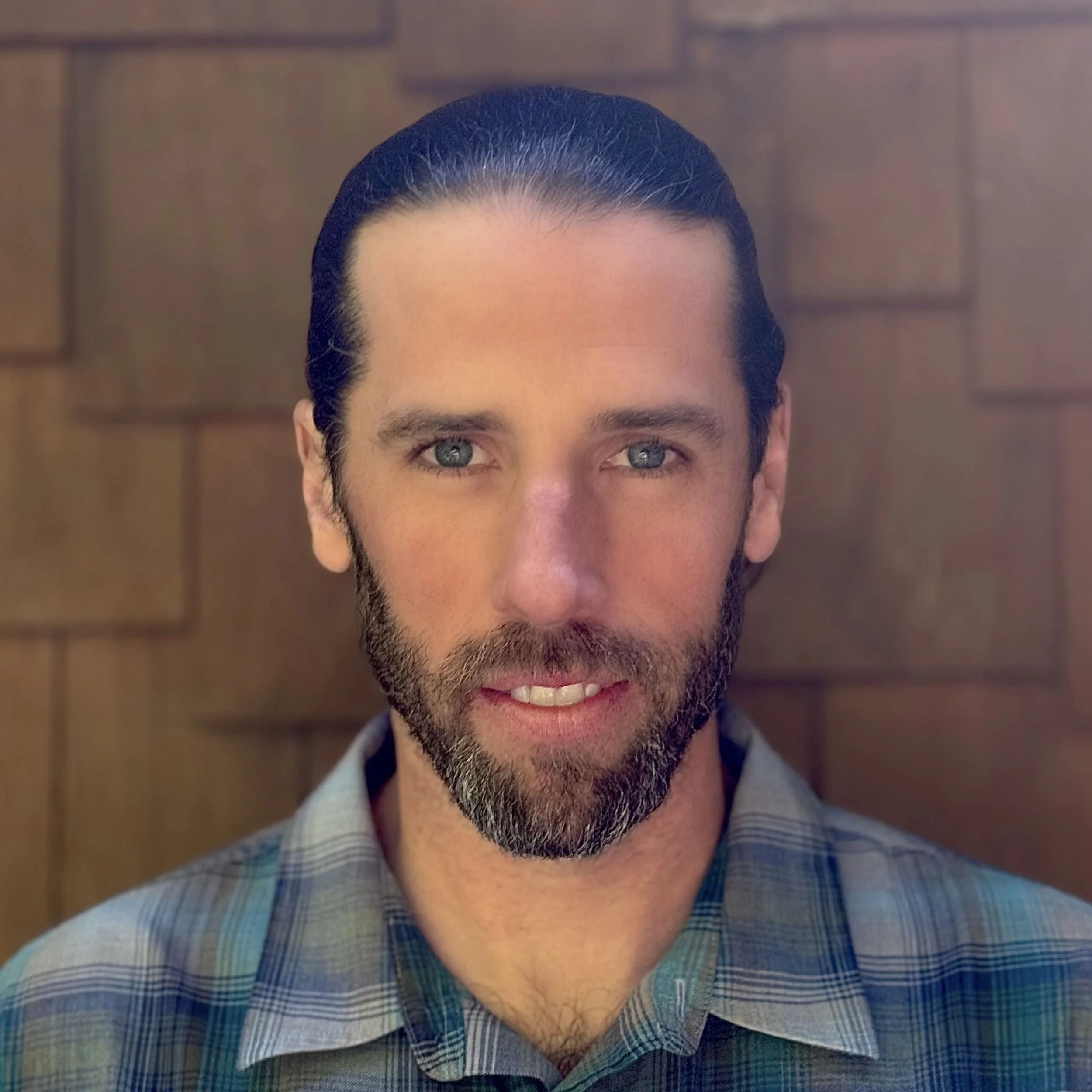
Trent Laughton
Passive House Builder
Builders are where high-performance construction meets reality. At B.PUBLIC, our relationship with builders is foundational. We depend on skilled, curious builders to push what's possible with our panel system, and we learn just as much from them as they do from us.
In this interview, we sat down with Trent Laughton of notnot.us, an architecture and construction firm based in Northern Nevada and Northern California with a deep focus on high-performance building rooted in Passive House principles. Trent has been building to an exceptional standard long before it was common, and his crew's recent experience installing B.PUBLIC panels on an ADU project in Santa Cruz gave us a front-row look at what a truly efficient, high-performance build can look like.
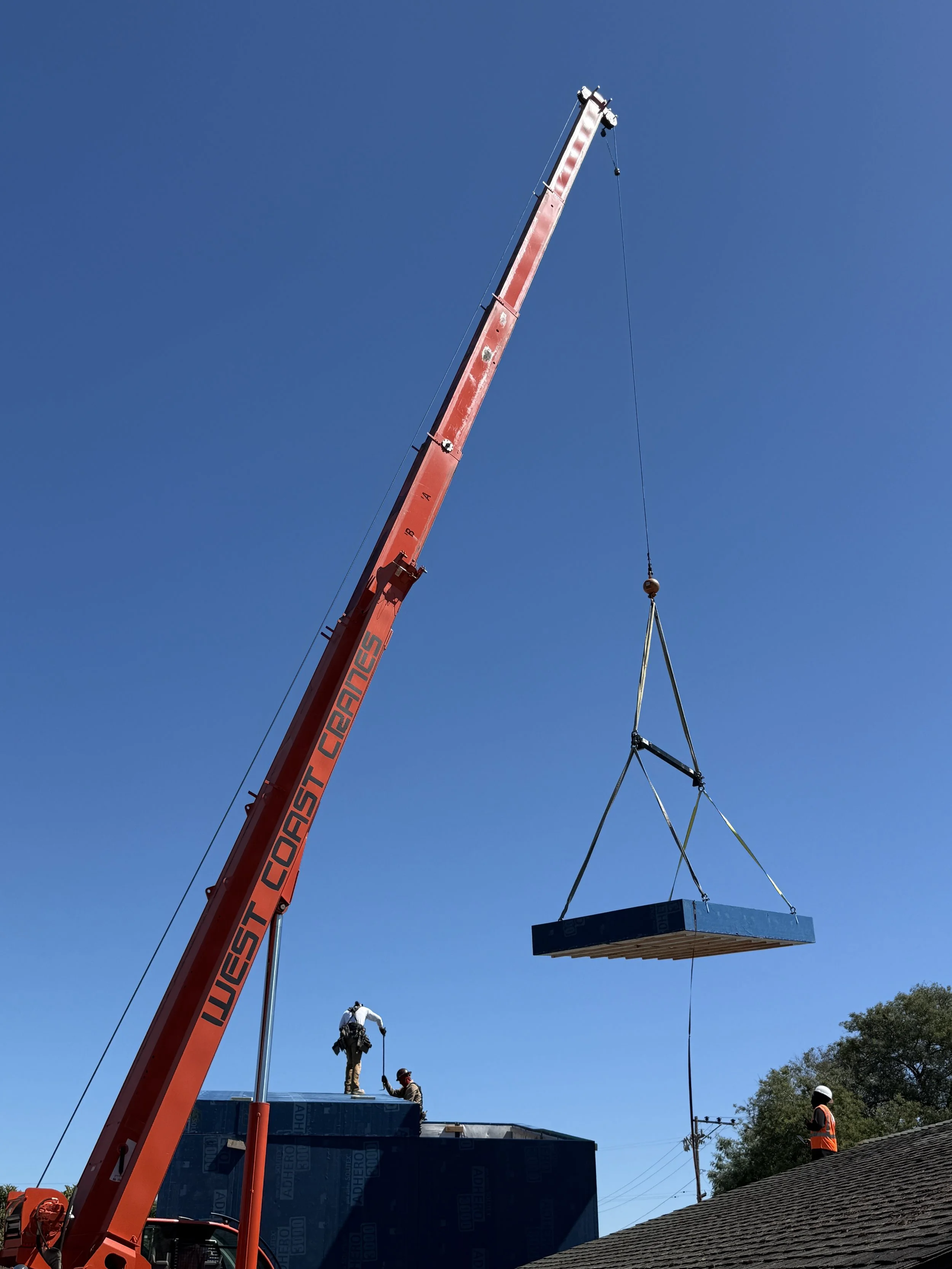
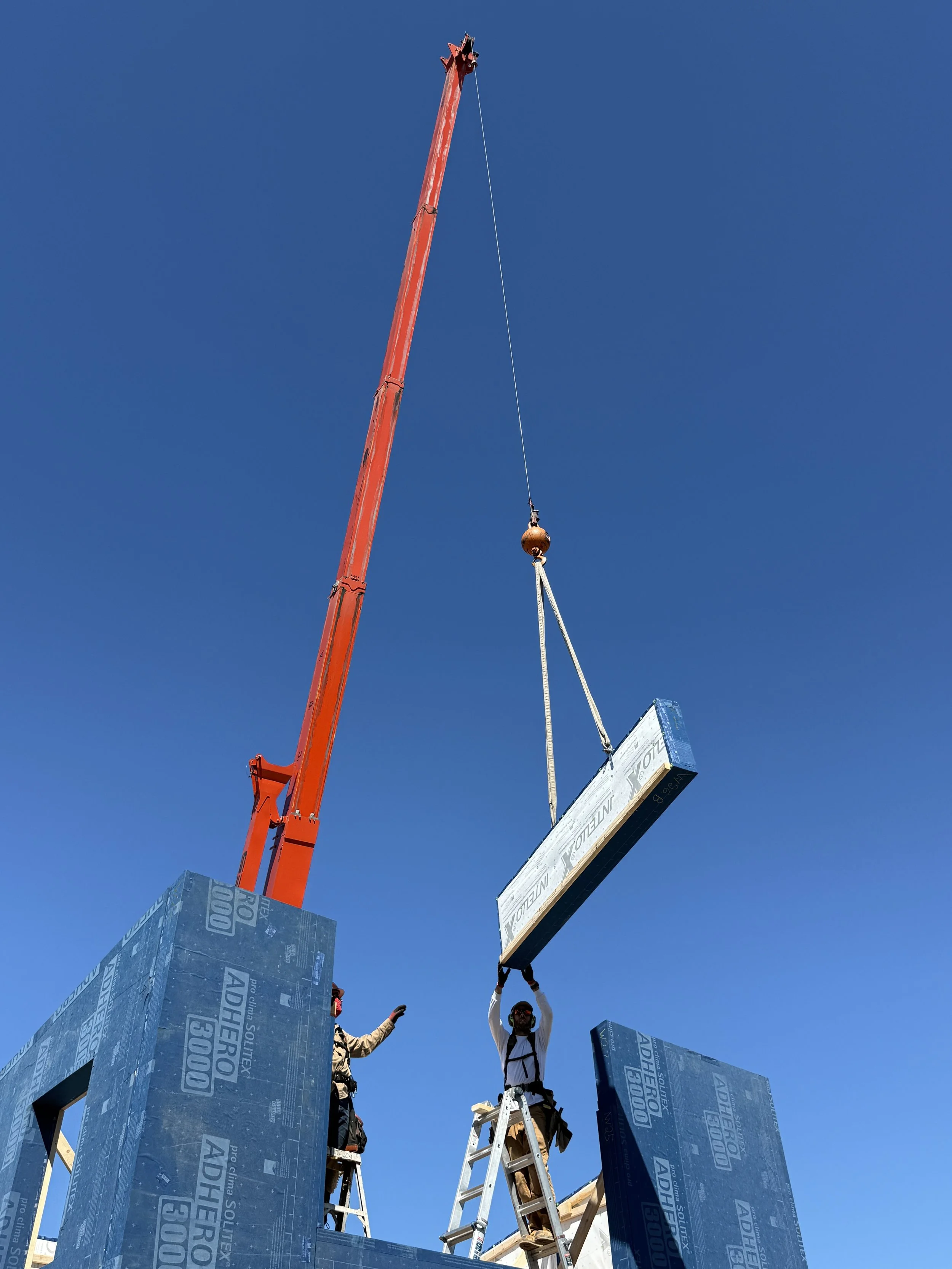
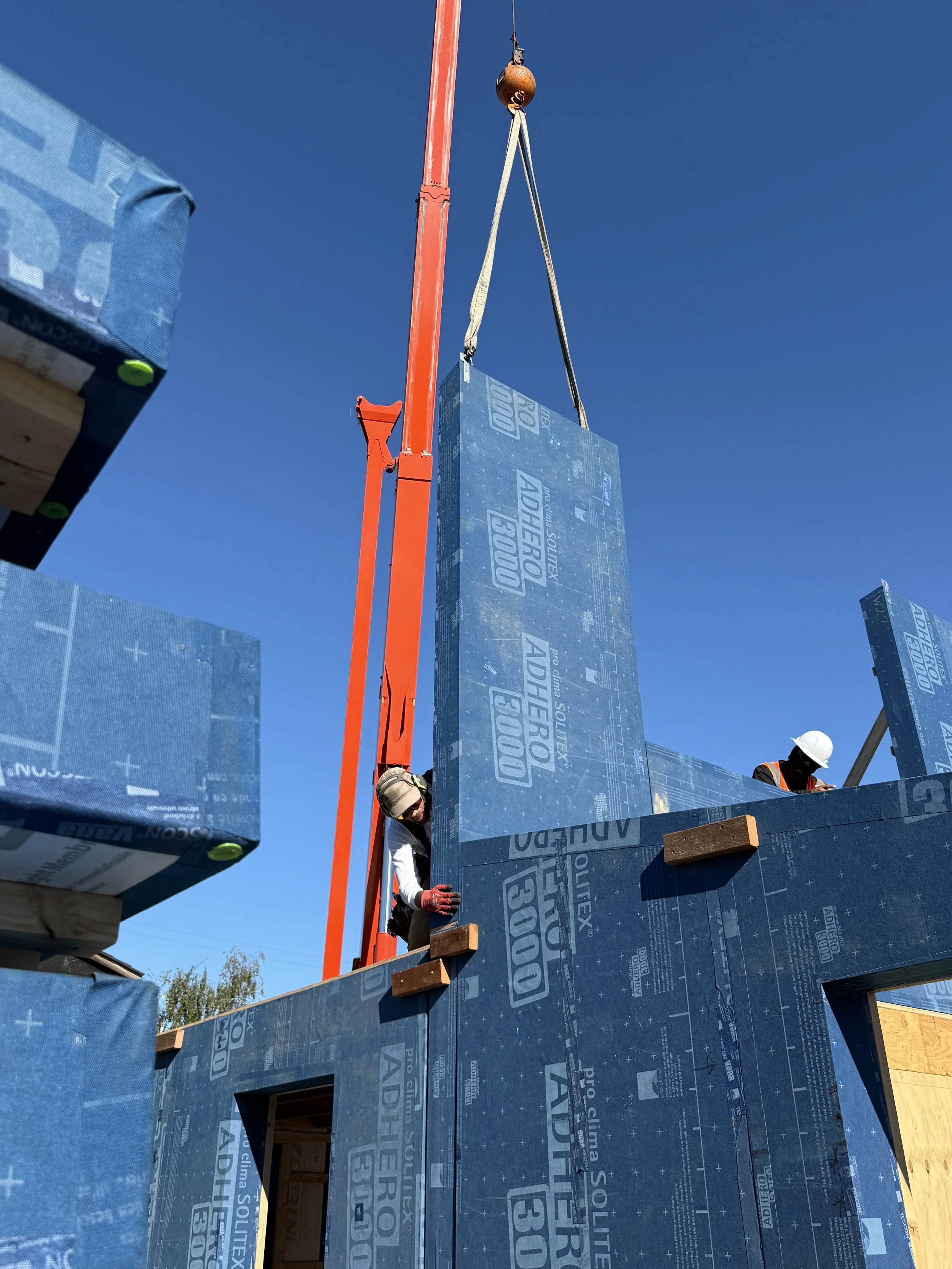
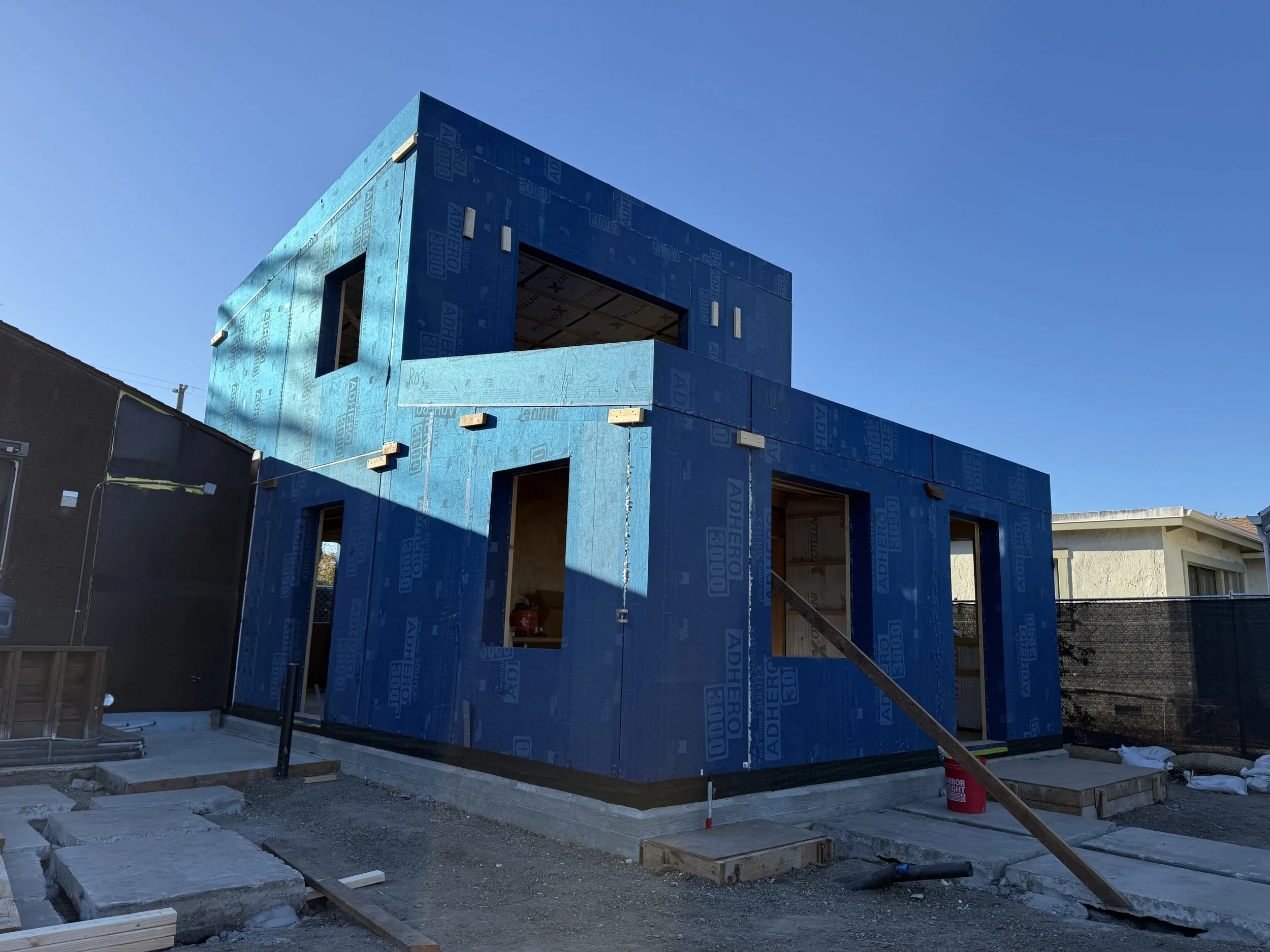
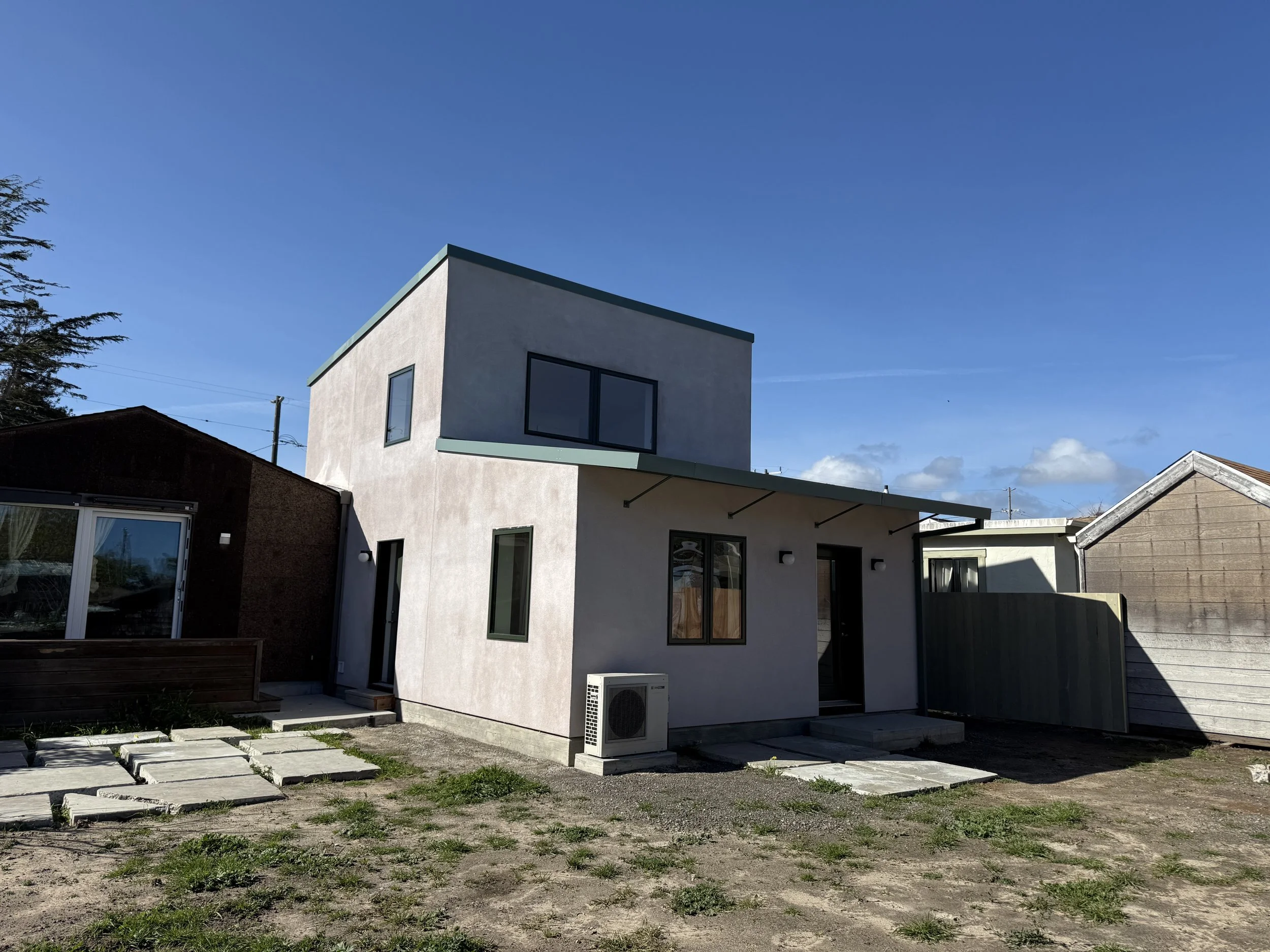
Trent’s recent B.PUBLIC project in Santa Cruz, CA. To find out more, visit our project page.
1. Tell us a little about your company — how long you've been building, where you work, and the kinds of projects you typically take on.
TL: Our company provides Architecture and Construction services in Northern Nevada and Northern California. We focus on high performance construction techniques rooted in Passive House principles.
2. What drew you to high-performance building in the first place? Was it a client request, a personal conviction, or something you stumbled into?
TL: Out of college I worked on a Straw Bale home in New Zealand (2010 - 2011). During that time, the project engineer introduced me to Passive House and it always interested me. In 2018 when I started my architecture and construction company, I wanted to shift my focus back to sustainable high performance construction after working in the high-end residential sector around Los Angeles. It took me a few years, but I was able to design and build two homes near Joshua Tree, CA that apply these principles with one in the process of Passive House Certification. Since these jobs, we have been doing primarily high performance work, most notably a recently completed B.PUBLIC ADU project in Santa Cruz, CA
3. How do you think about the cost side of it — is this a conversation you have with clients up front, and how do you frame it?
TL: For our crew to build high performance project, utilizing the B.PUBLIC system will be more cost effective. We have done both a prefab and stick built passive houses, using prefabricated panel allowed us to reduce our labor and overhead costs.
4. What were your expectations going into your first prefab panel installation — and where did reality surprise you, in either direction?
TL: I was expecting a smooth process but you are always nervous when you try a new system. Our first project was simple, but the access was limited. This meant we had to transfer the shipment at an offsite location and organize the panels in the installation order on flatbed trucks. This was the most difficult part, once we had the crane in place and started assembly, the crew and I handled the job with ease. The clients were excited and the neighbors were surprised at how quickly the house went from demolition to completion
5. How did your crew adapt to the installation process? Was there a learning curve, and if so, what did it look like?
TL: I brought the crew with me for the training in New Mexico, so we were familiar with the process. But with that, there was still the learning of the rhythm on site. For a typical assembly I would utilize the following : 2 crew as riggers, 2 crew as assemblers, 1 crew for crane signaling and 1 crew that was the runner. This proved very efficient and made the process appear seamless
"We're looking to build a house that will last forever. I want to build 100-year homes, not 30- or sometimes 15-year homes.” -Trent Laughton
6. What effect, if any, did using prefab panels have on your schedule — from enclosure to dry-in to finish work?
TL: It had a huge impact. On our Santa Cruz ADU project we went from a slab foundation to an assembled house in four working days, with two of those days being interior floor framing that was site built. It was another week for three of the crew to complete insulation at seams, seam taping and hardware installation, and during this time other crew members were completing interior non-load bearing framing and beginning the rough plumbing and electrical work
7. Are there parts of the build sequence that got simpler, or things that required more coordination than you expected?
TL: Certainly the framing, insulation and WRB process was simpler, but we had no more coordination than other projects we do. Prefab or not, we are still using the same care in laying out hardware and foundational elements.
8. When a client is on the fence about building to a higher performance standard, what's the argument that tends to land for them?
TL: Indoor air quality, comfort and longevity of the construction. But we must remember that you cannot compare a high performance build to production home costs as the methods of construction are different, as is the end result and life cycle of the buildings.
9. Is there something you wish clients understood better about why the way a building is assembled matters — before they start making decisions about finishes or square footage?
TL: A lot of the work we are doing during these stages are items that you cannot go back and upgrade. And when done properly, does not become a maintenance issue in the future. You get one chance to effectively insulate and effectively air seal a house, and that is during construction.
10. Has working with prefab panels changed how you think about taking on future projects — the types of clients you want, the specs you default to, anything like that?
TL: It has. Given my experience building both a stick frame passive house as well as utilizing the B.PUBLIC system for a high performance build, I would say that using a prefabricated system is more cost effective when the goal is high performance. When shifting the design and construction goals for our company, I have focused on high-performance builds primarily and these project types are what we are looking to pursue, including retrofits. Our next project will be an exterior shell retrofit utilizing similar insulation and air sealing products to what the B.PUBLIC system utilizes.
11. What would you say to a builder who's curious about trying this but hasn't taken the leap yet?
TL: I would encourage any builder to utilize this system. Installation is simple and efficient. Think of it less as a super sustainable, forward approach, and more as an effective way to build.
12. Is there a project you'd like us to highlight, and what made that one particularly satisfying to build?
TL: I finished up a two home development in Morongo Valley, CA that has a Passive House and a Code Built House that we will be comparing the performance on (the footprints are close to identical).
13. What's your website or the best place for people to learn more about your
work?
TL: notnot.us
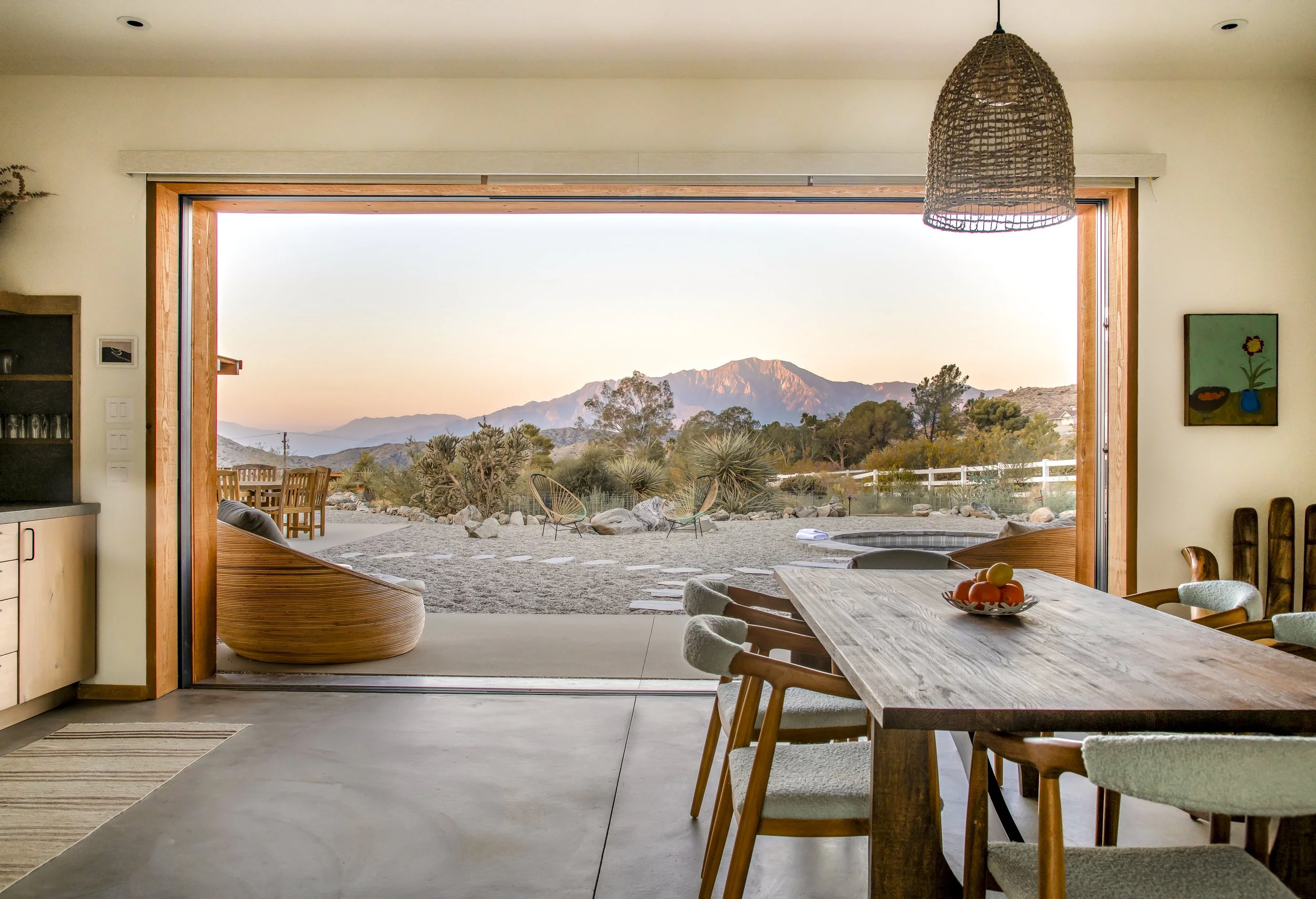
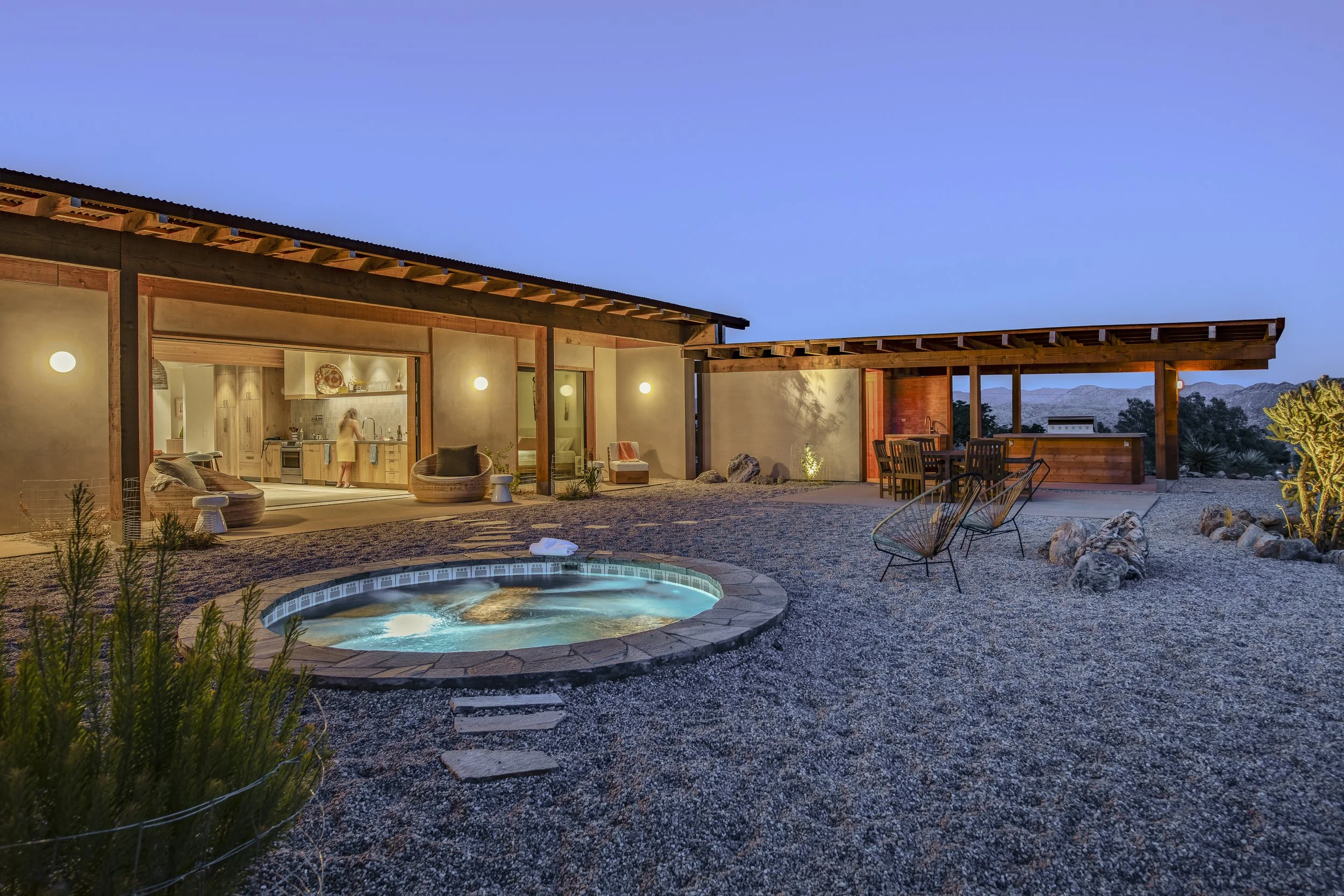
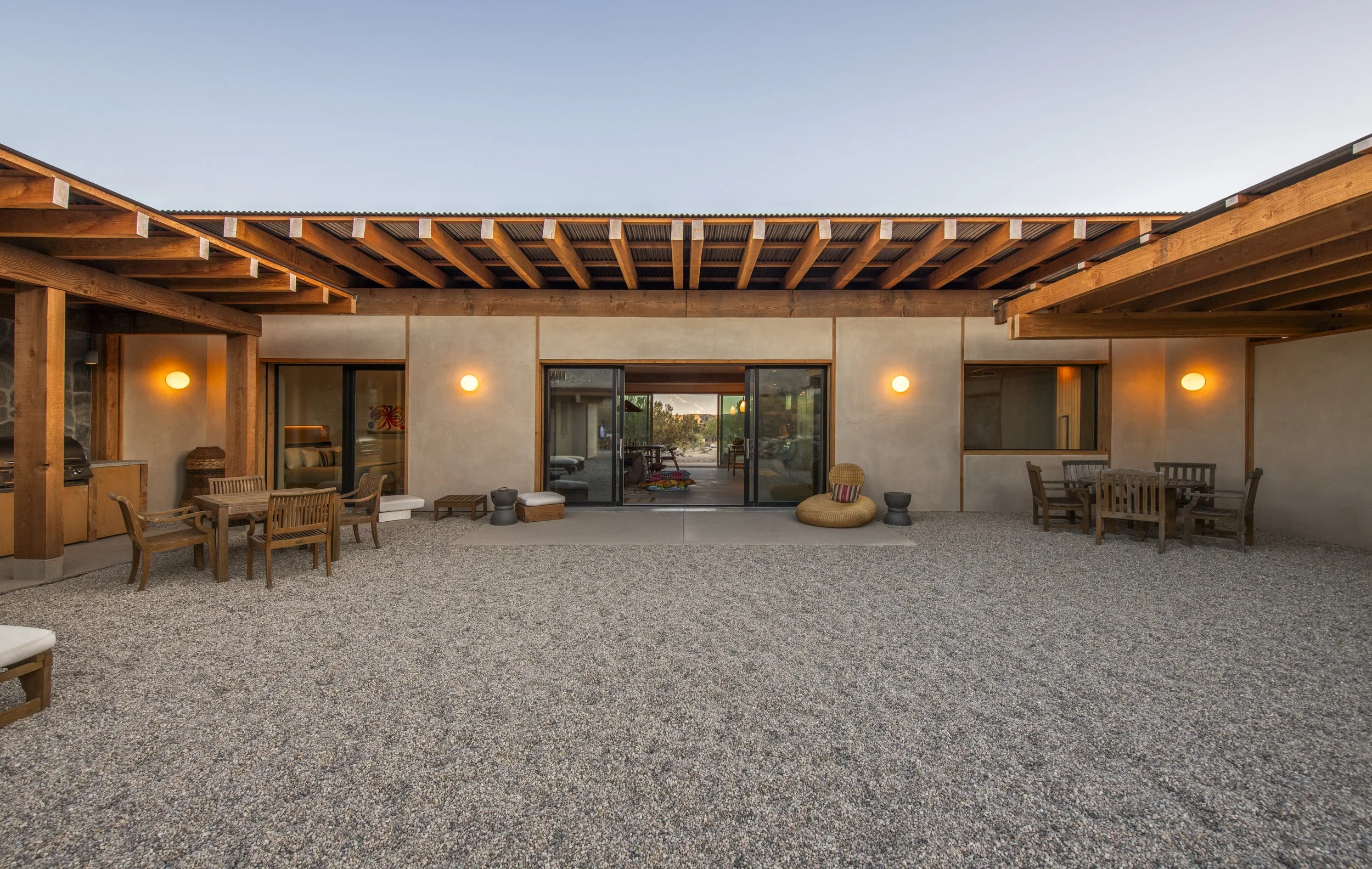
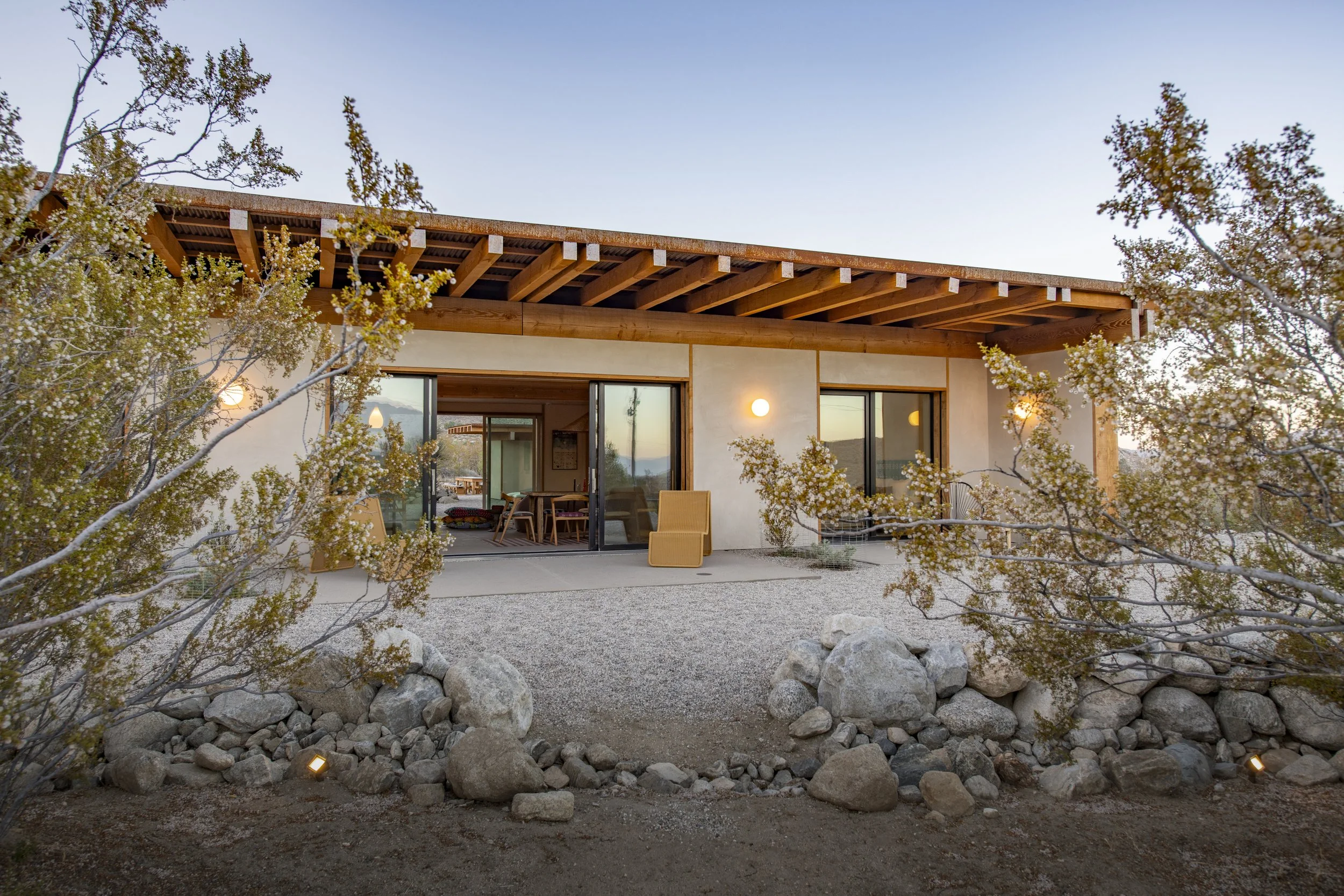
Trent's Passive House Case Study Homes in Morongo Valley, California. Both homes are available for short term rental at staycocoon.com (see Sylvestre & Solara at Masseria Morongo) or on airbnb.com ( Sylvestre & Solara)